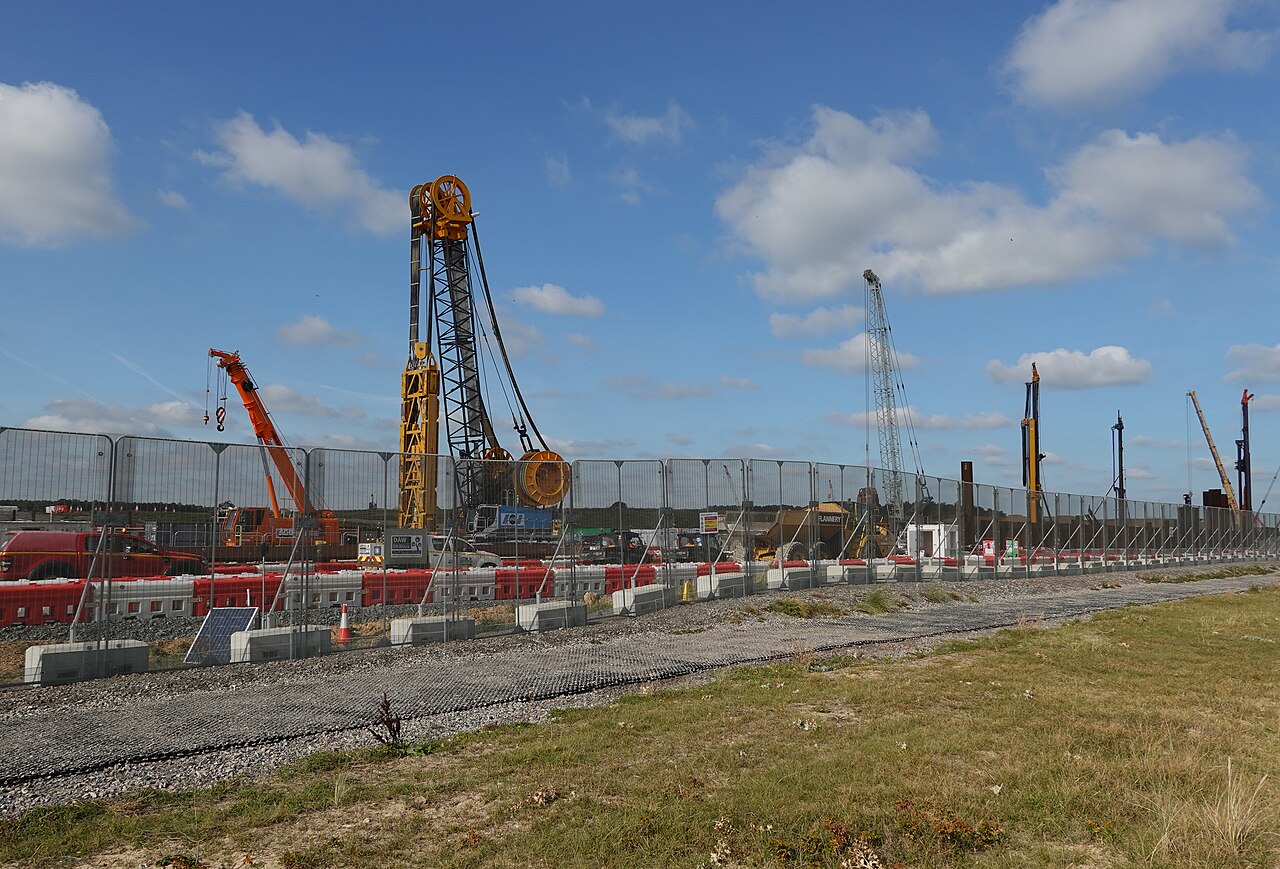
National Grid’s tunnel boring machine completed the 2.2 km drive beneath the Thames between Tilbury and Gravesend on 27 September, 49 days ahead of schedule. The breakthrough completes the excavation phase; further construction and cable installation are needed before the new electricity connection enters service.
The Seaham Garden Village mine-water heat network has entered operation, recovering heat from water treated at Dawdon. BBC reporting on 7 October records about 50 properties supplied, with 750 homes intended to benefit as the development grows. This is a deployment milestone for low-carbon heat technology; similar networks already operate elsewhere.
Rivan has opened Production Base 1, a 60,000 sq ft South London factory for manufacturing modular synthetic natural gas (SNG) systems. It is designed to support production of up to 50 MW of system capacity a year at full ramp. The factory makes the equipment; SNG is produced at deployment sites.
Construction is underway on a Technical Operators training area at East Coast College’s Lound Civil Campus, supported by £2.1m through Sizewell C’s skills fund. The phased campus aims to equip up to 3,000 learners for major engineering and construction projects.
Copenhagen Infrastructure Partners has taken its final investment decision for the 350 MW / 1,400 MWh Kilmarnock South battery developed by Noriker. Construction is under way, with commercial operation targeted for the first quarter of 2028. This is distinct from Zenobē’s operating Kilmarnock South battery and Matrix’s consented energy centre.
A formal groundbreaking on 2 October marks construction of Blyth’s £25 million Energy Central Institute, providing higher education, research and clean-energy skills facilities on the former Keel Row shopping centre site. Partners include Durham and Newcastle universities, Port of Blyth and ORE Catapult. Opening is expected in late 2027.
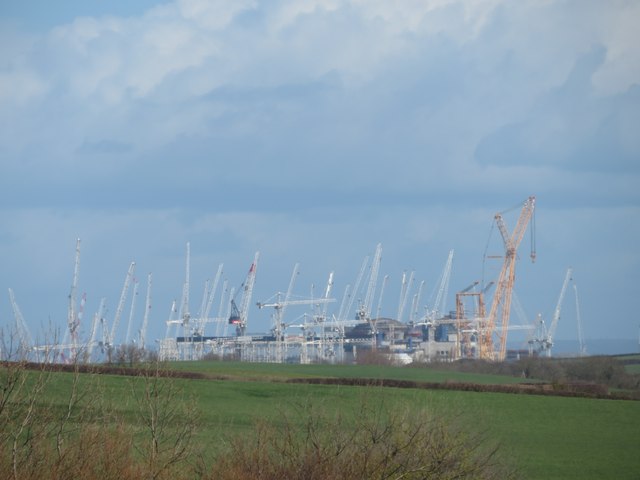
EDF has finished digging the 620-metre tunnel beneath the Bristol Channel for Hinkley Point C’s fish-return system and retrieved the boring machine. This is a completed tunnelling phase of the nuclear project; it does not mean the fish-protection system or power station is operating.
SSEN’s 29 September update reports roof and wall cladding complete across six buildings at Dounreay West substation, enclosing approximately 20,000 square metres and allowing the next stage of work. This is a building-envelope construction milestone, not electrical commissioning or energisation of the Orkney link.
A Centre for Net Zero field experiment estimates that solar and battery installations reduced electricity bills by 62%, about £681 a year, and evening-peak grid imports by 66% among participating low-income households. The programme installed systems in 708 homes, using randomly ordered invitations from an eligible pool of 38,821 customers. The results depend on the households and tariffs studied. The paper reports a randomised encouragement design and discloses the authors’ connections to Octopus Energy.
SSE chose Montrose Port as its preferred operations base for the planned 1.4 GW Berwick Bank B wind farm. The proposed South Harbour hub would support about 100 permanent jobs and 30 construction roles; the wind project has not yet reached a final investment decision.
Innova's 400 MW Legacy battery energy-storage facility near Rhostyllen, Wrexham, received planning consent on appeal, reported in August 2026. A September report revisited the decision and local objections. Construction, financing and an operating date have not been confirmed.
Siemens Energy and training provider 3t have launched a dedicated Power Academy in Aberdeen to train substation fitters through practical apprenticeship teaching. The facility supports skills needed for Scotland’s electricity network expansion.